
The Global Oil Surge: A Crisis for Malaysian Importers & Wholesalers
Table of Contents
The Freight "Tax": Emergency Surcharges Are Back
The Raw Material "Double-Whammy"
The Ringgit & The Import Math
Supply Chain "Bottlenecks" and Inventory Stress
Strategic Moves for Wholesalers Sourcing Overseas

Author: Christopher Yip
I have many years experience in the software and internet industry. Since 2009, my team and I have helped organizations simplify daily work with practical software solutions - so teams can move faster, reduce manual work, and scale with better control.
Date Published: 19 March 2026
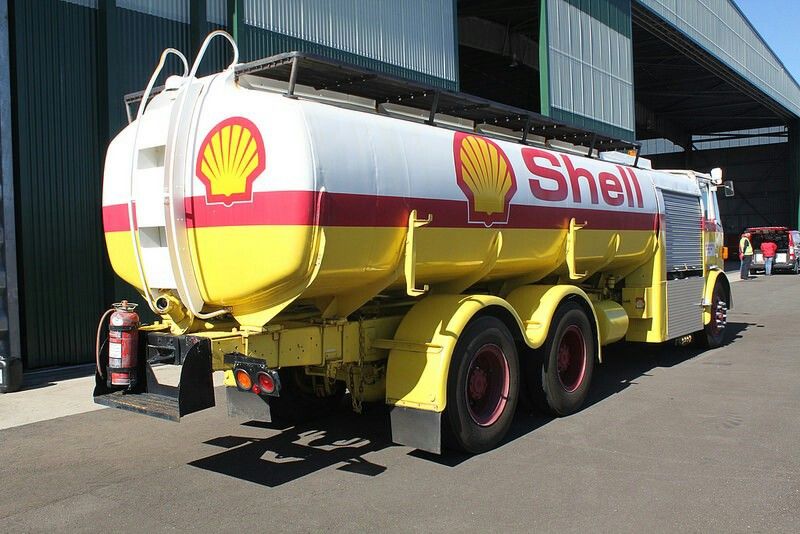
As Brent crude hovers around US$100 per barrel, Malaysian businesses are learning a hard lesson: in a globalized economy, "local" subsidies can only protect you so far. If your business model depends on bringing in raw materials or finished goods from abroad, you are currently navigating one of the most challenging procurement environments in recent years.
The Freight "Tax": Emergency Surcharges Are Back
The most immediate impact of rising oil prices is the cost of moving goods across the ocean. As bunker fuel (the heavy oil used by ships) becomes more expensive, shipping lines are passing those costs directly to you.
Emergency Fuel Surcharges (EFS): Major carriers like CNC and CMA CGM have already implemented "Emergency Fuel Surcharges" as of mid-March 2026. For intra-Asia routes, these can add hundreds of dollars per container.
The Rerouting Penalty: Due to ongoing geopolitical tensions in the Middle East, many vessels are avoiding the Suez Canal and the Strait of Hormuz, opting for the longer route around the Cape of Good Hope. This doesn't just increase fuel consumption; it adds 10 to 14 days to your lead times, tying up your capital in "floating inventory."
The Raw Material "Double-Whammy"
If you source materials like plastic resins, synthetic fibers, or industrial chemicals, you are being hit twice: once by the cost of transport and once by the cost of the product itself.
Petrochemical Price Hikes: Materials like polyethylene (used in almost all wholesale packaging) are petroleum-based. The Malaysia Plastics Manufacturers Association (MPMA) recently warned that resin prices have jumped by nearly RM3,000 per metric tonne in a single month.
The Feedstock Factor: As crude oil prices rise, the cost of "feedstock" for factories in China, Taiwan, and South Korea goes up. Even if your supplier's labor costs are stable, their raw material costs are exploding, leading to "price at time of shipment" clauses that make budgeting impossible for Malaysian wholesalers.
The Ringgit & The Import Math
There is a small "silver lining" for Malaysian importers this month. As a net energy exporter, the Malaysian Ringgit (MYR) often strengthens when oil prices rise.
Current Rate: The Ringgit has shown resilience, trading around RM3.89 to RM3.93 against the USD in March 2026.
The Offset: While your raw materials are getting more expensive in USD terms, a stronger Ringgit helps "soften" the blow when you convert your MYR back into dollars to pay your overseas suppliers. However, this currency gain is often swallowed whole by the massive increase in global freight and material costs.
Supply Chain "Bottlenecks" and Inventory Stress
When oil prices are this volatile, global suppliers become cautious. We are currently seeing:
Selective Supplying: Some major overseas producers are holding back quotations or only supplying long-term contract customers to avoid selling at a loss.
The "Just-in-Case" Shift: Wholesalers are abandoning "Just-in-Time" inventory. To avoid future price hikes, many are trying to over-order now, leading to warehouse congestion at major hubs like Port Klang and Tanjung Pelepas.
Strategic Moves for Wholesalers Sourcing Overseas
Re-Negotiate Incoterms
If you are currently buying on EXW (Ex Works), you are bearing the full brunt of the shipping surcharges. Try to move toward CIF (Cost, Insurance, and Freight) to lock in landed costs with your supplier.
Diversify Your Sourcing
High oil prices make "Long-Haul" sourcing (from Europe or the US) prohibitively expensive. Look for Regional Sourcing within ASEAN to take advantage of shorter shipping routes and lower fuel burn.
Implement "Price-at-Shipment" Buffers
When quoting your local retailers, ensure your contracts include a "Fuel & Material Surcharge" clause that allows you to adjust prices if your landed cost fluctuates by more than 5%.
Final Thoughts
The bottom line for Malaysian wholesalers in 2026 is that the era of "stable and predictable" overhead is over. While our national status as an energy exporter and the continued protection of the BUDI95 subsidy provide a much-needed cushion, they cannot fully insulate us from a globalized market where oil dictates the price of everything from shipping containers to plastic wrap. Survival in this high-cost environment requires a shift from passive distribution to active supply chain orchestration. By diversifying your sourcing within ASEAN and digitizing your procurement to handle real-time price volatility, you can turn these global headwinds into a competitive advantage. The wholesalers who thrive this year won't just be the ones with the largest warehouses, but the ones with the most agile strategies.
Ready to Future-Proof Your Wholesale Business?
👉 Book a free 30-minute online Zoom consultation with our team!